





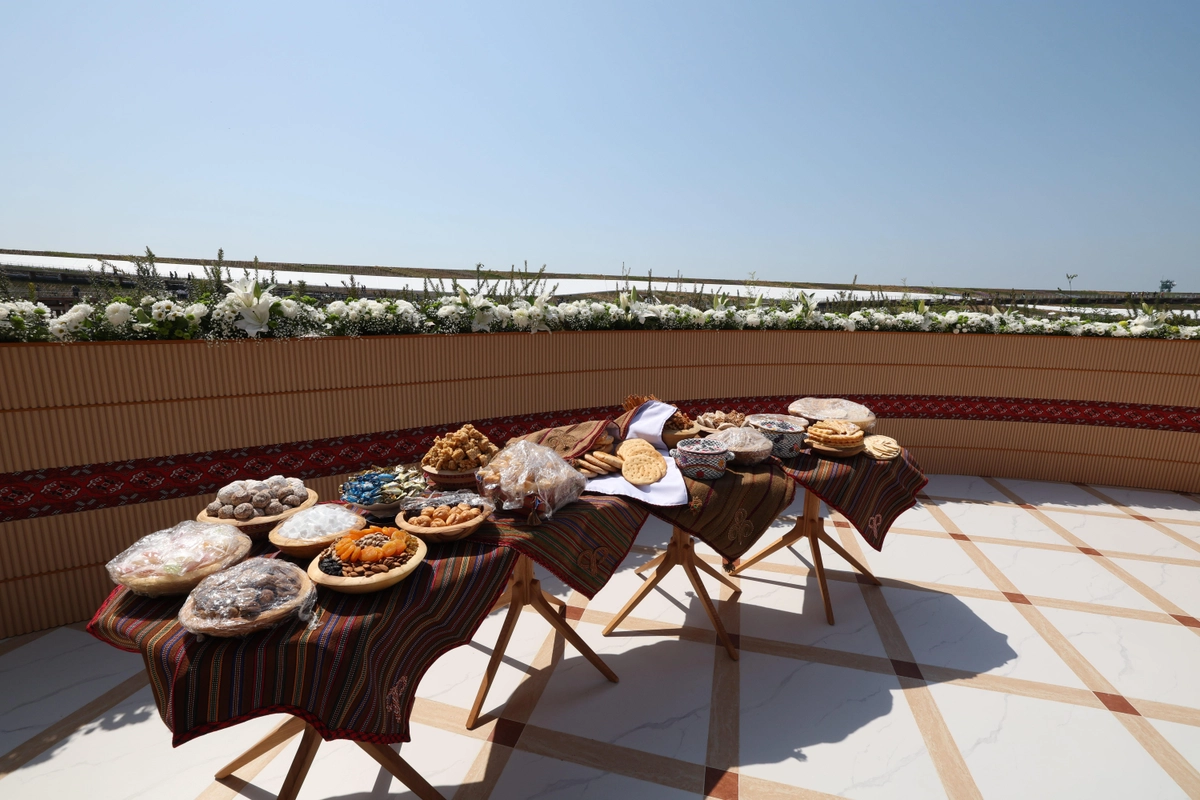


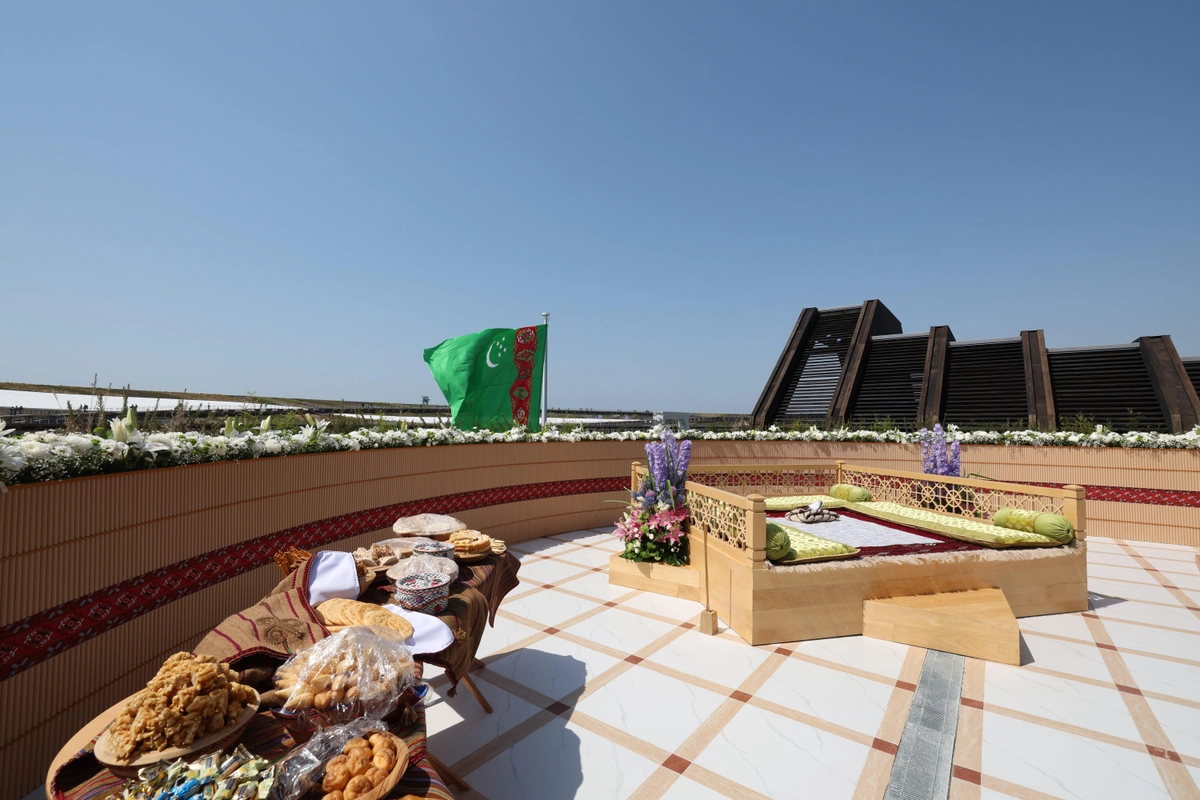


Turkmen national cuisine has developed over millennia, shaped by the lifestyle, economic practices, and natural conditions of the Turkmen people. These dishes are not only a source of nourishment but also a reflection of centuries-old traditions and the harmony between nomadic life and environmental factors. Nomadic living played a vital role in Turkmen history, which created a need for food that could be prepared quickly and preserved for long periods.
As a result, dishes made from meat and bread, such as dograma, as well as dairy products like yogurt , curd , and buttermilk , became widespread. These foods not only fulfilled nutritional needs but were also beneficial for health, rich in probiotics and energy.
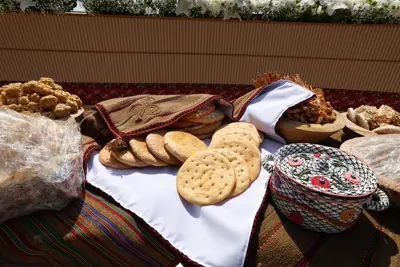
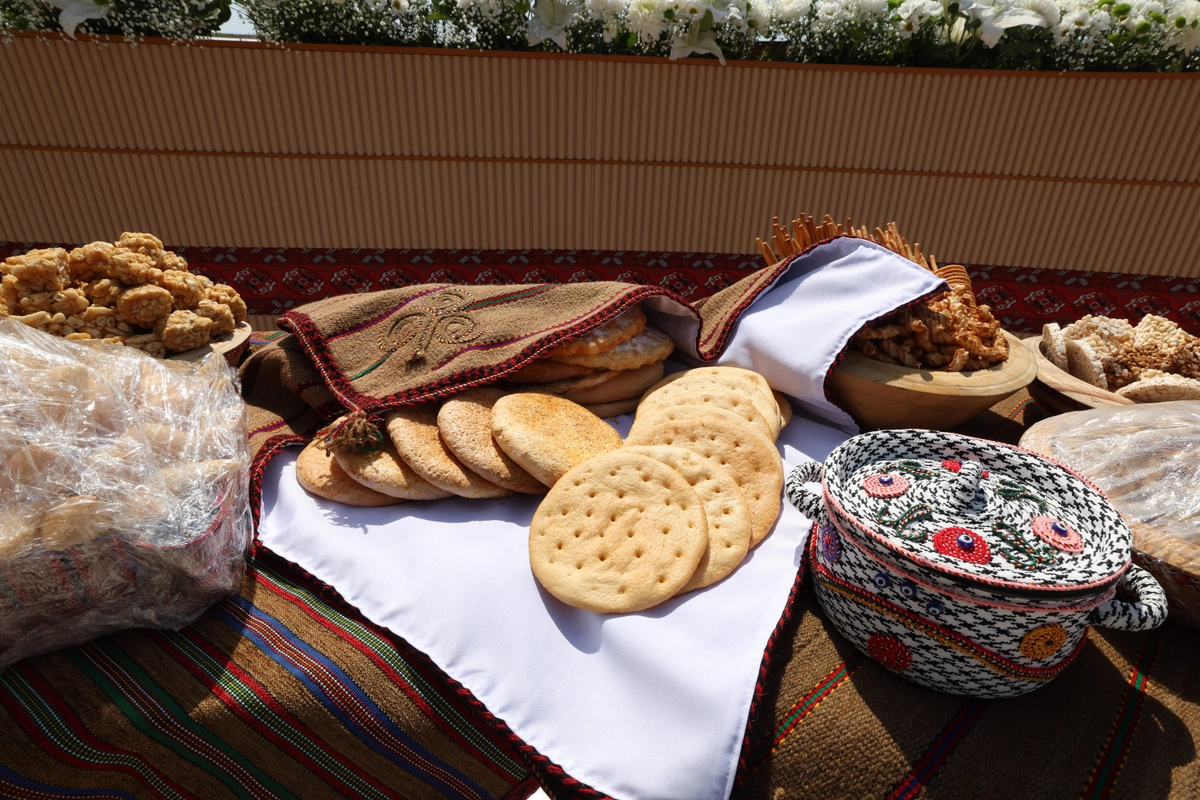
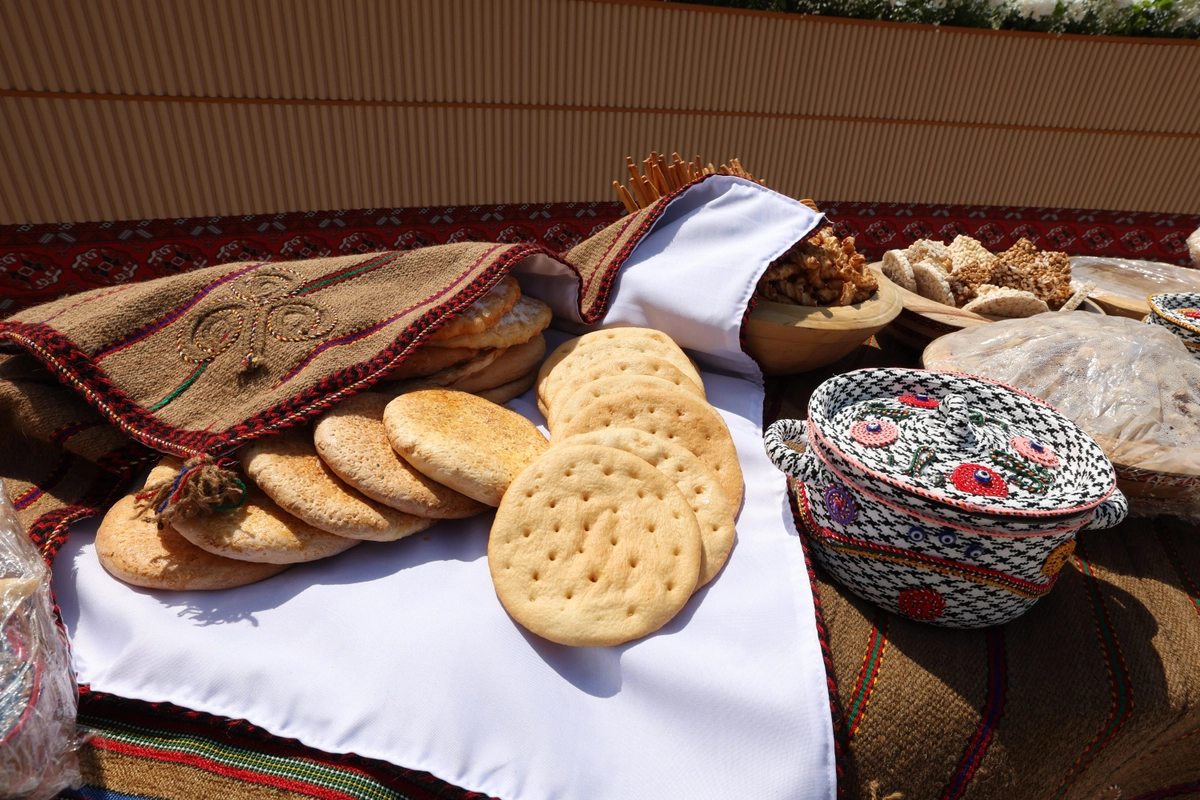
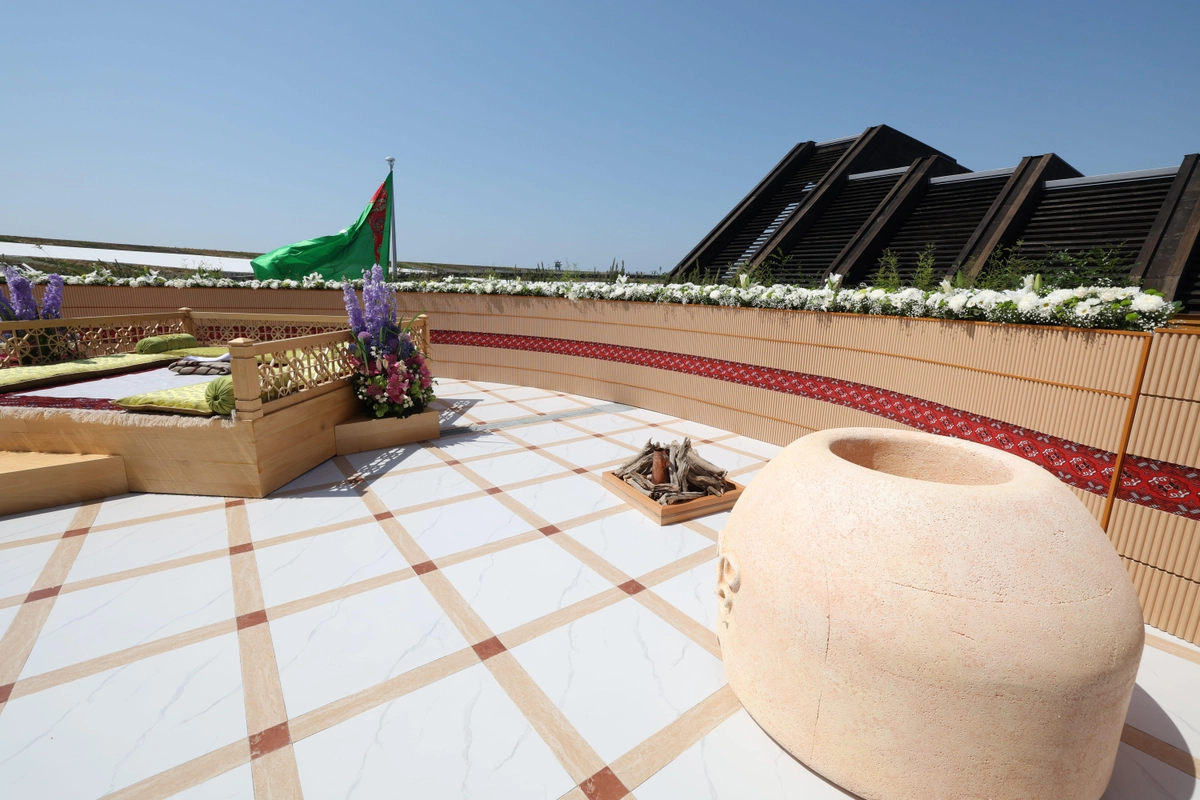
Turkmen cuisine is based on locally available resources such as wheat, meat, dairy, fats, and various vegetables. These dishes represent more than daily sustenance; they are an integral part of the people's way of life, rich cultural heritage, and customs. For instance, palaw is not only a delicious meal but also holds ceremonial value, often served at weddings and other important events. Traditional bread made from local wheat was historically baked in wood-fired clayed ovens, a practice that continues today. The method of drying meat also reflects Turkmenistan’s adaptation to its arid and hot climate, serving as a natural preservation technique.
The baking of bread in ovens from local wheat further illustrates the unique lifestyle of the ancestors. This tradition is preserved today as an important part of the country’s cultural heritage.
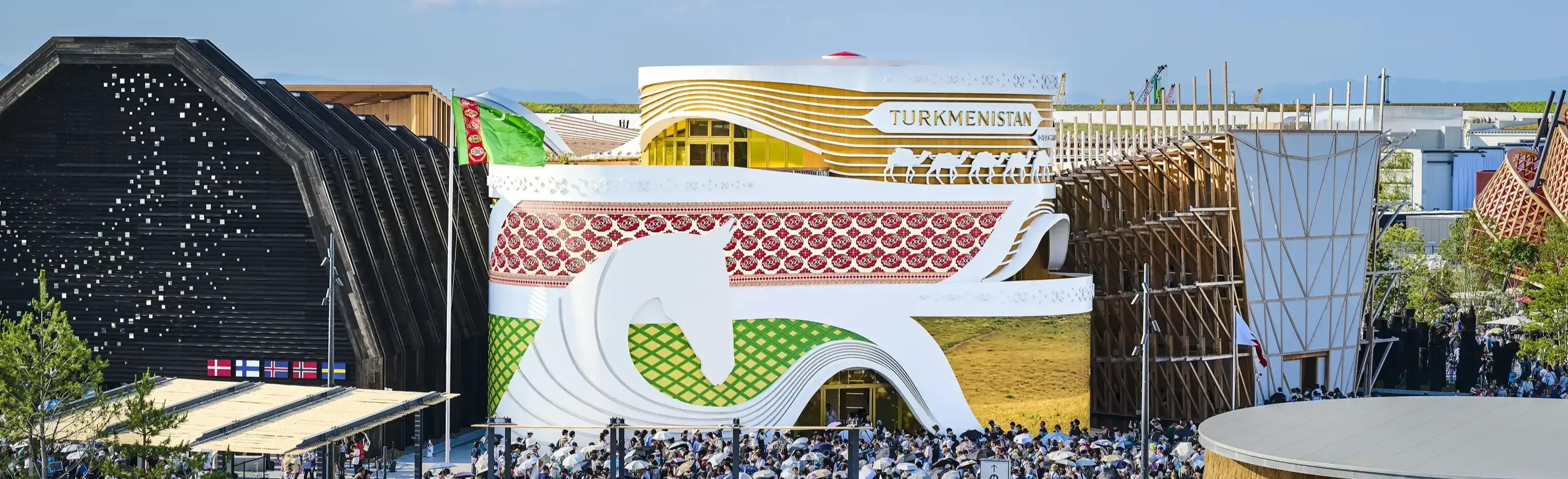
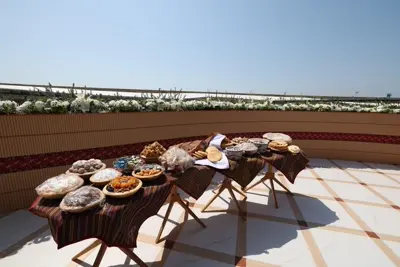
Today, Turkmen cuisine is gaining international recognition. At Turkmenistan’s national pavilion in Osaka, Japan, during the “Expo 2025” World Exhibition, an ethnographic restaurant named “Supra” offers a wide variety of Turkmen dishes to guests from around the world — including dograma, palaw, pishme, dairy products, and different types of bread. In addition to the food, detailed information is provided about the origin, preparation methods, and historical significance of each dish. The goal of the restaurant is not just to serve meals, but also to introduce the world to the rich gastronomic culture of the Turkmen people.